
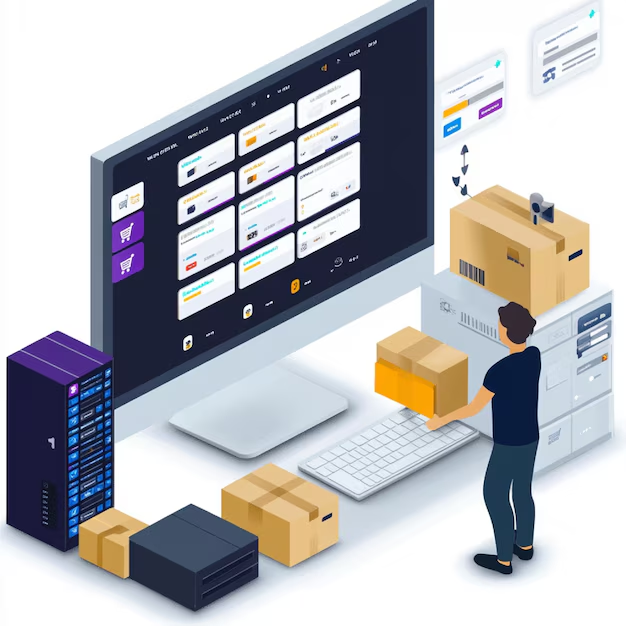
Getting the right product to the right customer on time sounds straightforward enough, yet plenty of online businesses struggle with it daily. One wrong shipment is all it takes to lose a customer, rack up return costs, and take a hit to your reputation that lingers far longer than the mistake itself. When orders start coming in from several channels at once, handling things manually stops being realistic pretty fast. That is where an ecommerce order management system earns its place. Pull order processing, inventory tracking, and fulfillment into one system and the difference in accuracy shows up almost immediately.
Why Order Accuracy Matters
Customers do not give much thought to what goes on behind the scenes. They place an order, expect it to show up correctly, and move on. When it does not, they notice straight away. Refund requests land in your inbox, reviews take a knock, and the trust you spent months building takes a serious hit overnight.
Beyond the customer side, wrong shipments cost money in ways that add up fast. Extra labor, repeat shipping, inventory that needs adjusting, none of it should have been necessary in the first place. Getting orders right protects your margins and keeps customers coming back rather than shopping elsewhere.
Common Causes of Order Errors
Most fulfillment mistakes do not come from nowhere. Most fulfillment mistakes share the same origins. Inventory figures differ from one channel to the next, staff key in order details and something gets missed, products sell through on one platform while another still shows them as available, warehouse teams pack the wrong item, and nobody upstream gets told about it until a customer complains.
- Inventory mismatches across sales channels
- Human errors during order processing
- Overselling unavailable products
- Delayed inventory updates
- Incorrect picking and packing
- Poor communication between warehouses and online stores
None of this irons itself out as the business gets busier. If anything, the gaps get wider. Without a centralized solution holding things together, they tend to get worse.
How an Ecommerce Order Management System Improves Accuracy
An ecommerce order management system brings the whole fulfillment process under one roof. Orders coming in from different marketplaces, websites, and warehouses all feed into the same platform rather than sitting in separate places that nobody is fully across.
Orders come in and the system takes over from there. Stock gets updated, fulfillment locations are assigned, shipments go out for tracking, and staff are not pulled into every step of the process. Fewer hands touching each order means fewer points where something goes sideways. Staff can also spot potential issues before anything ships, rather than finding out about a problem after a customer has already received the wrong item.
Real-Time Inventory Synchronization
Stale inventory data causes more fulfillment problems than most businesses realise. When stock levels are not updating fast enough, orders come through for products that are no longer sitting on the shelf, and someone has to deal with the fallout.
Real-time synchronization keeps stock information consistent across every channel the moment a sale goes through. Add automated inventory management into the mix and records update on their own after every sale, return, and restock. No one has to log in and make corrections manually because the system keeps pace with activity as it happens.
Manual order handling gives mistakes somewhere to hide. When a customer buys something, the details need checking, payment needs confirming, stock needs verifying, and the warehouse needs accurate instructions before anything moves. Doing that by hand at volume is where things start slipping. Automation runs through all of it the moment a purchase comes through, with no waiting around and no corners cut.
Warehouse teams get what they need sooner, fulfillment moves quicker, and customers are not left waiting around wondering where their order is.
Multi-Channel Selling Without Confusion
Selling across your own website, a marketplace, and a social channel sounds like a smart growth move until the orders start piling up in three different places with no unified view of what stock is actually available.
A centralized solution draws every order into one dashboard. Inventory levels stay consistent, fulfillment stays standardized, and the risk of duplicate shipments or missed orders drops considerably. It does not matter where the sale came from because the process that follows is the same every time.
The Role of Automated Inventory Management
Automated inventory management removes the need to second guess stock figures or chase someone to update a record. The system works in the background on its own, keeping everything straight without a spreadsheet in sight.
The practical benefits of that include:
- Real-time stock adjustments
- Automatic low-stock alerts
- Improved demand forecasting
- Reduced overselling
- Better warehouse organization
- Faster inventory reconciliation
During busy periods when sales spike, automation keeps records accurate when manual processes would buckle under the volume.
Better Warehouse Efficiency
A disorganized warehouse produces inaccurate orders. It is that straightforward.
Optimized picking lists generated by a good order management solution help staff find the right products, without wasting time or second guessing themselves. Barcode scanning and digital checks flag the wrong item at the packing stage, before it ever leaves the building. Staff know exactly what they are doing and why, which cuts floor confusion, keeps productivity steady, and stops costly errors from piling up.
Enhanced Customer Satisfaction
When customers regularly receive exactly what they bought and it turns up when expected, something shifts in how they feel about the business. They come back, they leave good reviews, and they tell people they know. None of that costs anything extra on your end.
Confirmation emails, tracking links, and delivery updates keep customers informed between purchase and doorstep, which goes a long way toward keeping that confidence intact.
Using Data to Improve Performance
A solid ecommerce order management platform gives you reporting tools that show where things are going wrong before they become a pattern worth worrying about.
Useful reports typically cover:
- Order accuracy rates
- Inventory turnover
- Fulfillment times
- Return reasons
- Stock movement trends
- Warehouse productivity
Having that data in front of you means decisions about fixing operational problems are based on what is actually happening rather than what you assume is happening.
Choosing the Right Solution
No two businesses run the same way, so the platform you choose needs to fit how yours actually operates. Look at marketplace integrations, warehouse support, inventory synchronization, automation depth, reporting quality, and whether the system can scale alongside growth without becoming a problem in itself.
A clean integration with your existing setup and a dashboard your team can use without weeks of training goes a long way toward making implementation worth the effort.
Final Thoughts
Fixing fulfillment accuracy is not something that happens by being more careful with manual processes. At a certain scale, the only answer is better technology. A well chosen order management system streamlines operations, cuts errors that cost real money, and delivers a customer experience that holds up consistently. Pair that with reliable automated inventory management from MySellinghub and the business is set up to compete in a market that keeps raising the bar.
No responses yet